
Research Progress On The Regulation Of Reproductive Function By Cistanche Cistanche
Mar 07, 2023
Abstract
The clinical practice of TCM has proved that Cistanche can tonify kidney yang, benefit essence, and blood, and moisten the intestinal tract, which is a precious product in tonic Chinese medicine. In recent years, in-depth studies have been conducted on the reproductive pharmacological and toxicological effects of cistanche, focusing on its kidney-yang tonifying effects, and the related research results have attracted the widespread attention of TCM researchers.
In this paper, we review the effects of cistanche extract on the regulation of reproductive function in combination with the analysis of medicinal components. The comprehensive analysis concluded that Cistanche distance extract has a regulatory effect on both female and male reproductive endocrine and can improve reproductive function, which provides a modern life science basis for the classical TCM theory that "Cistanche distance tonifies kidney yang".
Cistanche deserticola is an endangered species and is a second-class protected plant. At present, there are 22 species of Cistanche worldwide, and in the desert areas of China, there are four species and one variety of Cistanche, including Cistanche deserticola, Y∙C Ma, C. ribulose (Schenk) Wight, C. salsa (C. A. Mey∙) G. Beck, and Cistanche spp.
Cistanches are mostly parasitic on the lateral roots of pokeweed Halaxlon ammodendnon, (C∙C∙Meg)∙Bunge and other sand guards. It likes lightly salinated soft sandy areas and is generally suitable for growing in areas with an arid climate, low rainfall, high evaporation, long sunshine hours, a large temperature difference between day and night, and an extreme growing environment.
According to traditional Chinese medicine, Cistanches are sweet, salty, and warm, enter the kidney and large intestine meridians, tonifies kidney yang, benefit essence, and blood, and moisten the intestinal tract. Modern pharmacological studies have shown that Cistanche has a wide range of effects such as improving reproductive function, protecting the liver, anti-aging, enhancing immunity, and regulating endocrine.
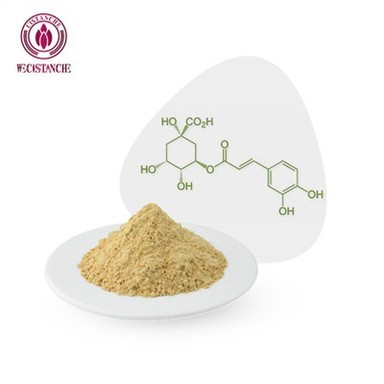
At present, several scholars at home and abroad have isolated various compounds from the chemical composition of Cistanche cistanche using different techniques and conducted comparative analyses, among which the main ones related to reproductive function are phenylethanoid glycosides (e.g., pineal glycosides, syringeal glycosides), polysaccharides, and leaf ascorbyl glycosides. In this paper, we review the current research progress on the pharmacological and toxicological effects of Cistanche cistanche in regulating reproductive function from both male and female aspects, respectively.

Click to know cistanche deserticola supplement
I. Pharmacological effects of Cistanche on male sexual function
1. Aphrodisiac effect: Cistanches is a valuable traditional Chinese medicine, known as "desert ginseng", and has the highest rate of appearance in prescriptions for kidney aphrodisiac and strength enhancement [3], with the effects of tonifying kidney and aphrodisiac, strengthening liver and kidney and benefiting essence. The aphrodisiac effect of Cistanches has been recorded in ancient medical books, and it is recorded in the Ben Jing that Cistanches "strengthens yin, benefits essence, and is used for the seven injuries", which means it tonifies the kidney and strengthens yang and is used for kidney qi deficiency.
Because Cistanches is different from other aphrodisiacs, it does not harm Yin while tonifying the kidney, and even if taken for a long time, it does not cause fire and dryness of the mouth, which has been recorded in the Compendium of Materia Medica as "tonifying without completing, so it has a subdued number". Kidney yang deficiency is one of the important signs in the theoretical system of Chinese medicine, and kidney yang is closely related to reproduction. In recent years, scholars in China have verified the aphrodisiac efficacy of Cistanche with the help of animal experiments.
Pan Yurong and Min Fan Yin [4] used hydrocortisone acetate to establish an animal model of "Yang deficiency" in mice and observed the protective effect of Cistanches alba on the function of the kidney and adrenal gland by using the morphological and structural changes of kidney and adrenal gland in mice as indicators. The results showed that the addition of Cistanches alba to corticosteroids for a longer period prevented the atrophy of the adrenal cortex caused by hormone use alone, indicating that Cistanches alba has some protective effect on adrenal function.
This suggests that the alcoholic extract of Cistanche cistanche has some protective effect on adrenal gland function. Ma Jingjing et al used hydrocortisone to establish a mouse model of renal yang deficiency and showed that the active ingredient of Cistanche tuberose, leaf-like asclepiroside, has a tonic effect on the kidney and aphrodisiac. The study by Wang et al [6] further confirmed the tonic effect of Cistanche on the kidney and aphrodisiac in the "Yang deficiency" animal model. The results showed that phenylethanoid glycosides extracted from Cistanche tubulosa could promote testosterone synthesis through the CYP450-3β-HSD pathway, up-regulate testosterone and its upstream luteinizing hormone (LH) level, promote the release of related neurotransmitters and hormones in the body, and improve reproductive dysfunction; at the same time, enhance physical function, resist fatigue, and play an aphrodisiac role. It also enhances the body's function, resists fatigue, and plays an aphrodisiac role.
In conclusion, hydrocortisone modeling leads to yang deficiency and yang deficiency symptoms related to reduced adrenal function, which further presents a decrease in testicular function and androgen reduction, thus affecting the sexual behavior and function of animals, while Cistanche extract can antagonize this negative effect, reflecting the classical Chinese medicine view of kidney tonic and aphrodisiac effect.
2. To investigate the effects of Cistanche on the morphology and histochemistry of testes and epididymis of mice, Wang De-jun et al selected male mice of Kunming strain and gave Cistanche aqueous decoction [4 g/(kg-d) and 8 g/(kg-d)] by gavage for 3 weeks, and showed that Cistanche improved the morphology of testes and caused a strong positive signal for succinate dehydrogenase (SDH) and non-specific esterase (NSE) in testes and epididymis. The results showed that Cistanche can improve the testicular morphology of mice and induce a strong positive signal for succinate dehydrogenase (SDH) and non-specific esterase (NSE) in the testis and epididymis.
3. Pharmacological effects on spermatogenesis: Studies have proved that Cistanche cistanche has good protective effects on spermatogenic function and semen quality. Zhao Donghai et al concluded that Cistanche phenylethanoid glycosides (PeGs) had significant therapeutic effects on cyclophosphamide-induced spermatogenic disorders in mice, and the mechanism may be related to the upregulation of testosterone levels in testicular tissues. Using a rat sperm peroxidation injury model, Li Gang et al [9] observed that co-incubation of Cistanche phenylethanolamine with sperm suspension at different doses (0.02 g/mL, 0.25 g/mL, 0.5 g/mL raw drug amount) significantly increased the total superoxide dismutase enzyme (SOD) activity of sperm suspension and decreased It also inhibited the lipid peroxidation of sperm membranes and exerted antioxidant effects, which had obvious protective effects on the structure and function of sperm membranes. Using a streptozotocin-nicotinamide-induced diabetic rat model, ECH was also found to restore blood testosterone levels and improve reproductive function [10]. Recently, a study concluded that a mixture of Cistanche extract and sea cucumber peptide extract reduced fatigue in male mice and acted as an antioxidant, increased testosterone secretion, and reduced sperm malformation.

4. The aphrodisiac effect of Cistanche is the regulation and control center of the human neuroendocrine system. Cistanche can adjust the aging of the hypothalamus and improve the nutrition, body mass, endurance, and cold resistance of Yang deficiency animals, which has an obvious aphrodisiac effect on Yang deficiency patients. He Wei et al [12] used male Wistar rats with body masses of 70-100 g, prepared a model of Yang deficiency by removing both testes, and gave different doses of the alcoholic fraction of Cistanche cistanche aqueous decoction 1.0 g/kg and 3.0 g/kg body mass, respectively, for 12 d by gavage. The overall effect was better than that of sex hormones. In addition, the ethanolic extract of Cistanches can correct the dysregulation of sex hormones and immune factors in male rats in the model of renal yang deficiency caused by glucocorticoid overdose, enhance and restore the action of hypothalamic nerve cells, improve immune function, and present a tonic effect on renal yang [13]. In conclusion, the alcoholic soluble fraction of Cistanche cistanche extract has a mild androgen-like effect and presents a tonic kidney and yang effect.
Zhang et al [14] showed that the Cistanche extract pinealisin targeted the androgen receptor (AR) in the hypothalamus and inhibited its transport from the cytoplasm to the nucleus, thereby inhibiting negative androgen feedback and leading to increased gonadotropin-releasing hormone (GnRH) and LH secretion. GnRH) and LH secretion is increased. Subsequently, LH stimulates CYP11A1, a steroid hormone synthase in the mitochondrial membrane in the testis, to bind to steroidogenic acute regulatory protein (StAR), which together binds to the inner mitochondrial membrane and catalyzes the cleavage of cholesterol side chains to pregnenolone (PREG), a biosynthetic protein that acts as a biosynthetic agent. PREG is an important precursor in the biosynthetic pathway for the synthesis of many steroid hormones, including progesterone, dehydroepiandrosterone (DHEA), androstenedione (ADSD), androstenediol (5-AED), and testosterone. The increased testosterone levels further stimulate the transfer of testicular tissue AR from the cytoplasm to the nucleus to regulate gene transcription, which in turn promotes spermatogenesis. In this way, the Cistanche component ECHs may promote the spermatogenesis process in the testis by acting on the hypothalamus to regulate reproductive endocrine secretion.
However, according to the above explanation, the specific action of Cistanche cistanche extract pineal glycosides on hypothalamic AR receptors, but not in testicular tissues, deserves further attention. On the other hand, as far as the direct action of Cistanche extract on gonadal tissues is concerned, it may be achieved through antioxidant effects, as described earlier. In the case of isolated cultures, the Cistanche extract Cistanoside, which acts as an antioxidant, can directly slow down the damage to spermatogonia in a hypoxic environment [15]; the pinealoside Echinacoside can mediate the endothelium-dependent vasodilatory effect of rat thoracic aortic rings through the nitric oxide (NO)-cGMP pathway [16]. In this way, it is also possible that the pharmacological effects of Cistanche extracts do not depend on endocrine regulation at the hypothalamic-pituitary level, but act directly as antioxidants or vasorelaxants in peripheral tissues.
5. Antagonistic effects on male reproductive toxicity: Dong Fei-Man et al showed that testosterone levels and fertility of male mice of Kunming species could be reduced by Leigongjiang polyglucoside, while Cistanche (10 g/kg body mass per day for 20 d) could antagonize its damaging effects on the reproductive system of male mice. Zhang Xinxian et al [18] selected adult Balb/C male mice and gavaged them Radix polygons 30 mg/(kg-d) for 3 weeks to cause a model of hypogonadism, followed by an intervention such as Cistanche decoction equivalent to 10 g/(kg-d) of the raw drug, and also concluded that Cistanche partially antagonized the reproductive toxicity of Radix polygons. Aqueous extract of Cistanche cistanche given by gavage to male Kunming mice at doses of 1.5 g, 3.0 g, or 6.0 g raw drug equivalent/kg body mass antagonized hydroxyurea-induced spermatogenic cell damage and decreased serum LH levels [19]. The components of Cistanche distance have antagonistic effects against some reproductive toxicants, reflecting protective effects.
On the other hand, when Cistanche cistanche reaches a certain high dose, for male reproduction, besides its protective effect, it may have some toxicity. Some studies reported that Cistanche extracts significantly reduced sperm count in a dose-dependent manner, 298.3±48.9 (blank control) vs. 296.6±102.4 (250 mg/kg BW), 236.7±75.1 (500 mg/kg BW), (223.0±48.7) × 106 (1 g/kg BW). However, several studies have recently reported that the results of acute toxicity tests showed that the maximum tolerated doses (MTD) of Cistanche cistannii in both female and male mice were >20 g/kg BW, which is 600 times greater than the recommended human dose, indicating that Cistanche cistannii subjects are non-toxic grade substances [21] and do not cause sperm malformation. and to some extent increased the testis/body mass ratio in male mice. However, it is necessary to repeat the experiment to verify whether Cistanche extract affects sperm count and other indices in male mice.
II. Pharmacological effects of Cistanche on female reproductive function
Compared to the effects of Cistanche on male reproduction, there is relatively little research on the functions of Cistanche on female reproduction. Kidney deficiency in female reproduction is mainly manifested by dysfunction of the hypothalamic-pituitary-gonadal axis (ovarian axis) resulting in impaired follicle development and ovulation, which is clinically involved in gynecological conditions such as irregular menstruation, menorrhagia, and infertility. The hypothalamus further regulates gonadal function by releasing GnRH, which regulates the secretion of LH and follicle-stimulating hormone (FSH) from the pituitary gland. Ovarian granulosa cells and corpus luteum produce estrogen, progesterone, and other peptide hormones under the regulation of gonadotropins, and the hormones secreted by the gonads in turn act as feedback to the hypothalamus-pituitary gland. The hypothalamus, pituitary, and gonads form a closely linked hypothalamic-pituitary-gonadal axis, which plays an important role in mammalian growth, development, reproduction, and aging; therefore, Cistanches can also have kidney tonifying effects when used in women, and it is interesting to see whether the effector components are similar to those widely recognized in men for their aphrodisiac effects.
1. Regulation of female reproductive endocrine function: Chen Yaliang et al [26] observed that Cistanche, as a component of a kidney tonic herbal formula, can induce an increase in some cells of the pituitary gland in female rats, promote the secretion of ovarian progesterone, and also enhance the expression of estrogen receptor (ER) and progesterone receptor (PR) in the gonadal axis. PR) expression, suggesting that Cistanche is used in kidney tonic herbal compounds to promote female reproduction-related neuroendocrine functions. Shen Hao et al used female SD rats at normal puberty initiation as an experimental model and concluded that kidney tonic herbs may regulate hypothalamic-pituitary gonadotropic function through the regulation of the synthesis and release of hypothalamic GnRH and its related neurotransmitters norepinephrine and neuropeptide Y (NPY). This suggests that Cistanche, as a component of a kidney tonic formula, may synergistically influence the hypothalamic-pituitary-gonadal axis together with other herbal components to participate in the regulation of female reproductive endocrine activity. However, whether Cistanche itself acts directly on the ovaries to affect female reproductive endocrine function needs to be further investigated.
2. Role on follicle development: The reproductive function of the ovary is mainly manifested by follicle development and ovulation. The oocyte stock in the ovary exists mainly in the form of primordial follicles composed of oocytes and a single layer of flattened granulosa cells and endometrial cells. The follicles develop through multiple steps in response to gonadotropin FSH and LH regulation to synthesize estrogen and progesterone and produce mature oocytes for reproductive function. Li Shuping and Li Ling suggested that the kidney tonic formula containing Cistanche cistanche has estrogen-like activity, which can increase the serum estradiol level in desiccated mice and increase the cAMP content of ovarian tissue in rats, showing some pro-ovulatory effects. Lin Yan et al studied female Kunming mice and found that pineal, the active ingredient of Cistanche, could antagonize the damage of ovarian function caused by the anticancer drug cisplatin to a certain extent, increase the activity of mitochondrial enzyme ATPase in ovarian cells, and present a protective effect on cisplatin-induced ovarian function damage in mice. It is speculated that the mechanism of the antagonistic effect of Cistanche on the reduction of follicular stock caused by cisplatin may be mainly related to the reduction of reactive oxygen species (ROS) caused by chemotherapeutic drugs through the antioxidant effect.
3. Effects on embryonic development and implantation: The uterus is a target organ for sex hormones, and under the action of sex hormones, the endometrial glands and interstitium proliferate and develop to prepare the fertilized egg for implantation and the nutrients required for the development. Xie An et al selected early embryos of 6- to 8-week-old Kunming mice and added Cistanches and Epimedium extracts to the culture medium in isolation, and the results showed that the addition of certain concentrations of Chinese herbal ingredients could effectively promote embryonic development, with the best effect of adding 0.1% Cistanches extract. In this way, the effect of crude extracts of Chinese herbs added to embryo medium to observe the effect on early embryo development, although further replication is needed, suggests that some components in Cistanche may promote embryo development.
4. Effects on menopause: Menopausal syndrome, also known as perimenopausal syndrome, is fundamentally caused by ovarian failure and reduced estrogen secretion, which leads to degenerative changes in organs and tissues, mainly manifesting as hot flashes, flushing, sweating, irritability, palpitations, irritability, and insomnia, etc. Traditional Chinese medicine has found that treatment with Cistanches compound is quite effective. Li Rensheng and Zhou Jingrong reported that a patient suffering from menopausal syndrome for 5 years and the condition worsened year by year, after taking 6 doses of prescription (Cistanches 60 g, Shu Di Huang 20 g, Cornu Cervi Pantotrichum 20 g, Tian Dong 20 g, Bai Shao 20 g, Sour Date Palm 15 g, Roasted He Shou Wu 10 g, Yam 20 g, Roasted Licorice 10 g, Shi Zhi Ming 30 g, Dragon Bone 30 g, one dose daily), the menopausal symptoms The symptoms disappeared after 2 months of continued use, and the body constitution was enhanced. Next, with the help of animal models, it was found that different extracts of Herba Cistanche could reduce menopausal symptoms by regulating reproductive endocrine secretion.
Nana Zhang used the method of removing ovaries of spontaneously hypertensive rats (SHR) and giving dry chow to establish a compound animal model of menopausal hypertension with the treatment of Cistanche cistanche polysaccharide extract, and the results showed that the function of the hypothalamic-pituitary-ovarian axis was improved and menopausal symptoms was reduced showed in a study on Wistar female rats that treatment with Cistanche cistanche phenylethanoid glycoside suspension increased serum estradiol and testosterone levels, decreased serum FSH, LH, and GnRH levels, and improved uterine and ovarian lesions compared to the model group. In addition, phenylethanoid glycosides from the source Cistanche can eliminate the disturbance of sex hormones, correct the imbalance of ER and AR levels, enhance and restore uterine and hypothalamic functions, and improve immune function in perimenopausal model rats.
5. Toxic effects on female reproduction: Cistanche can have various regulatory effects on women's health, and traditional medicine believes that women with irregular menstruation, infertility, and unheated extremities can be improved by taking Cistanche, but at the same time, attention must be paid to whether women taking Cistanche during pregnancy have adverse effects on reproduction and offspring. Lin Jian et al [36] selected sexually mature female and male rats in the same cage at 1:1 and then randomly divided the detected pregnant rats into groups, weighed and numbered, with 12-15 pregnant rats in each group. Three dose levels, i.e., 0.83 g/(kg-BW), 1.66 g/(kg-BW), and 3.33 g/(kg-BW) per day, were administered to pregnant rats by gavage for 10 consecutive days from the 7th to 16th day of conception, and the results showed that none of the effects on fetal developmental indicators were statistically significant. Thus, the usual clinical dose of Cistanche (<150 g/d, 60 kg body mass adult) was found to be safe for reproduction, as converted by the surface area equivalent method.

III. Summary and Outlook
Cistanche is a hot research object in Chinese medicine in recent years, mainly focusing on the modern biological mechanism of the aphrodisiac effect of the kidney. Although the aphrodisiac effect has been studied mainly with the help of male animal models, the function of the aphrodisiac effect has been demonstrated not only in males but also in females. Studies on the mechanism of the aphrodisiac effect mainly include studies on the regulation of male endocrine and enhancement of spermatogenic ability, while whether the regulation of female reproductive endocrine depends on similar active ingredients deserves further attention.
Although the research on the pharmacological effects of Cistanches is gradually intensifying in recent years, it can be seen from the above review that the mechanism of action involved in its pharmacological effects mainly lies in the phenylethanoid glycoside extracts regulating reproductive endocrine through the targets of the hypothalamus and other tissues, which in turn affects the reproductive function of gonads and plays the role of kidney tonic and aphrodisiac. However, due to the complexity of the pharmacological composition of Cistanche cistanche, the key drug components involved in its classical efficacy are still difficult to identify. In addition, the aphrodisiac effect of phenylethanoid glycosides, a component of Cistanche, is currently recognized to be mainly through the AR receptors in the hypothalamus, which antagonize the feedback inhibition of steroid hormones and increase the secretion of LH and steroid hormones to exert aphrodisiac effects. However, further questions that arise deserve attention, such as why it does not have an effect on AR receptors in tissues such as gonads and adrenal glands, and whether the targets and mechanisms of action are the same in men and women.
Next, it is necessary to target its key components, such as betaine and phenylethanoid glycosides, the latter including neostigmine (leaf ascorbic acid-like glycoside, acteoside), pinealoside (echinacoside) and other cistanosides, to discover their in vivo targets of action, and to determine their tissue specificity and the mechanisms involved through animal pharmacology experiments. Regarding their cellular targets and mechanisms of action, it is necessary to reveal the relevant molecular targets of action, as well as the functional signaling pathways involved, using tissue-cell models of the hypothalamus, gonads, and adrenal glands for the monomeric compounds of various major components. The discovery of isolated cytological action targets can not only facilitate pharmacological studies at the animal level and drug development using Cistanche as raw material by comparing the differences in targets of cells from different tissue sources, but also systematically reveal the biological mechanism of Cistanche for kidney aphrodisiacs from a theoretical perspective through the integrated analysis of the effects of various components. Recently, it was found that Cistanches extracts have neuroprotective effects and are useful in the prevention and treatment of neurodegenerative diseases, and their relationship with the role of reproductive endocrine regulation is also of interest.
In conclusion, regarding the modern biological mechanisms of TCM for kidney aphrodisiacs, studies have been conducted mainly using Cistanche cistanche extracts targeting aspects such as reproductive endocrinology and found that their targets of action are mainly in the hypothalamus. However, it has recently been found that Cistanche cistanche polysaccharide extracts can promote the differentiation of mouse female germinal stem cells in isolation and increase the expression of the meiotic markers Stra8 and Sycp3 in their cells.
In this way, the regulatory effect of Cistanche on reproduction may be innovative in terms of new targets and mechanisms, but the existence of exact targets at the level of female germinal stem cells in the ovary, or even in the ovary or testis, still deserves further study to determine whether Cistanche acts as a target. In conclusion, the systematic study of the reproductive endocrine function of Cistanche distance and the revealing of the modern biological mechanism of its TCM tonic effect is the key to advancing its innovative application in the treatment of diseases related to male and female reproductive function.
All authors declare no conflict of interest

References
Li Fuxiang, Xu Min, Wang Jian, et al. Current status and prospect of pharmacological research on Cistanche deserticola [J]. Anhui Agricultural Science Bulletin, 2006,12(13): 92-93,70. DOI: 10.16377/j.cnki. issn1007-7731.2006.13.040.
Yao Xinmin, Zhou Xiaojie, Zhou Yanyan. Research progress on chemical constituents and pharmacological effects of Cistanche deserticola [J]. Journal of Traditional Chinese Medicine, 2021, 49(2): 93-97.
Xue Dejun, Zhan Yongcheng. Research progress of Cistanche Herba [J]. Modern Applied Pharmacy, 1996, 13(5): 12-15,81.
Pan Yurong, Min Fanyin. Effects of Alcoholic Extract of Cistanche on Kidney and Adrenal Gland of Animal Models of Yang Deficiency [J]. Journal of Practical Chinese Medicine, 2004, 20(7): 357-357.
Ma Jingjing, Zhao Fan, Sun Yun. Study on the Effect of Acteosides on Tonifying Kidney and Improving Yang in Mice with Kidney Yang Deficiency [J]. Journal of Yangzhou University (Agriculture and Life Science Edition), 2009, 30(1): 22 -25.
WangQ, DongJ, LuW, et al. Phenylethanol glycosides from Cistanche tubulosa improved reproductive dysfunction by regulating testicular steroids through the CYP450-3β-HSD pathway[J]. J Ethnopharmacol, 2020, 251: 112500.
Wang Dejun, Sheng Shuqing, Liang Hong. The effect of Cistanche on the morphology and histochemistry of mouse testis and epididymis [J]. Anatomical Research, 2000, 22(2): 101-103.
Zhao Donghai, Zhang Lei, Zhang Yan, et al. Therapeutic effect and mechanism of phenylethanoid glycoside of Cistanche deserticola on spermatogenesis disorder induced by cyclophosphamide in mice [J]. Journal of Jilin University (Medical Edition), 2014, 40(3 ): 612-615.
Li Gang, Zhu Wenbin, Niu Fei, et al. Study on the protective effect of phenylethanoid glycosides from Cistanche deserticola on the oxidative damage of rat sperm in vitro [J]. Shi Zhen Guo Yi Guo Yao, 2010, 21(9): 2205-2207.
KongZL, JohnsonA, KoFC, et al. Effect of Cistanche tubulosa extracts on male reproductive function in Streptozotocin-Nicotinamide-induced diabetic rats[J]. Nutrients, 2018, 10(10):1562.
Luo Xianliang, Liu Wangxin, Wang Jing, et al. Effects of sea cucumber peptide and Cistanche deserticola on hormone levels and testicular antioxidant damage in acute exercise mice [J/OL]. Journal of Zhejiang University (Agriculture and Life Science Edition).
He Wei, Zong Guizhen, Wu Guilan, et al. Preliminary study on the androgenic active ingredients in Cistanche deserticola [J]. Chinese Journal of Traditional Chinese Medicine, 1996, 21(9): 52-53.
LiuB, ShiJ, LiZ, et al. Study on neuroendocrine-immune function of Cistanche deserticola and its rice wine steaming products in a glucocorticoid-induced rat model[J]. Evid Based Complement Alternat Med, 2020, 2020: 5321976.
ZhangXY, JiangZH, ChangXM, et al. Echinacoside and Cistanche tubulosa (Schenk) R. wight has male reproductive protection effects by targeting the hypothalamic androgen receptor[J]. Chin J Pharmacol Toxicol, 2018, 32(4): 257-258.
YanF, DouX, ZhuG, et al. Cistanoside of Cistanche Herba ameliorates hypoxia-induced male reproductive damage via suppression of oxidative stress[J]. Am J Transl Res, 2021, 13(5): 4342-4359.
HeWJ, FangTH, Max, et al. Echinacoside elicits endothelium-dependent relaxation in rat aortic rings via a NO-cGMP pathway[J]. Planta Med, 2009, 75(13):1400-1404.
Dong Feixia, Li Jie, Huang Di, et al. Effects of tripterygium wilfordii polyglycosides on reproductive function in mice and the intervention of Cistanche Herba [J]. Shanghai Journal of Traditional Chinese Medicine, 2009, 43(8): 64-66.
Zhang Xinxian, Huang Di, Liu Nannan, et al. Tripterygium wilfordii polyglycosides induce abnormal expression of reproductive-related genes in mouse testis and the intervention effect of kidney-tonifying traditional Chinese medicine [J]. Chinese Journal of Andrology, 2012, 18(5): 466-471.
GuL, XiongWT, WangC, et al. Cistanche deserticola decoction alleviates the testicular toxicity induced by hydroxyurea in male mice[J]. Asian J Androl, 2013, 15(6): 838-840.

KimSW, YooSH, LeeHJ, et al. Cistanches herba induces testis cytotoxicity in male mice[J]. Bull Environ Contam Toxicol, 2012, 88(1): 112-117.
Huang ZX, Chen Guanmin, Zhao Kangtao, et al. Study on toxicity of Cistanche Herba [J]. Chinese Journal of Health Inspection, 2014, 24(8): 1098-1100.HuangZX, ChenGM, ZhaoKT, et al. Cistanche Deserticola[J]. Chin J Health Lab Tec, 2014, 24(8): 1098-1100.
Li Minjie, Tian Feng, Du Jun, et al. Experimental study on acute toxicity, genotoxicity, and subchronic toxicity of Cistanche tubulosa extract [J]. Journal of Toxicology, 2013, 27(5): 400-403. DOI: 10.16421/j.cnki.1002-3127.2013.05.009.
Bai Guohui, Zhang Xiaoli, Qu Lin, et al. Acute Toxicity of Cistanche and 90-day Feeding Experiment Toxicity [J]. Journal of Baotou Medical College, 2016, 32(9): 25-26.
Jiang Zhongren, Xu Wei, Liu Keliang, et al. Study on the subchronic toxicity of Cistanche tuberosum extracts on SD rats[J]. Journal of Preventive Medicine Information, 2013, 29(4): 315-318.
An Ying, Wang Pei, Lu Jiliang. 133 Cases of Infertility Treated by Regulating Liver and Kidney [J]. Shaanxi Traditional Chinese Medicine, 2002, 23(11): 981. DOI: 10.3969/j.issn.1000-7369.2002. 11.018.
Chen Yaqiong, Ye Xueqing, Li Guiyun, et al. Effects of kidney-tonifying traditional Chinese medicine on the morphology and function of gonad axis in female rats[J]. Journal of Fourth Military Medical University, 1995, 16(4): 304.
Shen Hao, Cai Depei, Chen Boying. Effects of kidney-tonifying traditional Chinese medicine on hypothalamus-pituitary gonadotropic function [J]. Journal of Integrative Traditional Chinese and Western Medicine, 2004, 2(1): 53-57.
Li Shuping, Li Ling. Experimental study on the treatment of infertility caused by ovarian dysfunction with the method of tonifying the kidney and regulating energy[J]. China Journal of Traditional Chinese Medicine Information, 2002, 9(3): 33-34.
Lin Yan, Pan Pengyu, Deng Jinfang, et al. Echinacoside protects cisplatin-induced ovarian function damage in mice [J]. Journal of Jinzhou Medical University, 2018, 39(04): 5-8+114- 5.
Zhang Lizhu. Clinical Reproductive Endocrinology and Infertility [M]. 2nd Edition. Beijing: Science Press, 2001: 175-180.
Xie An, Li Shiwei, Li Long, et al. Effects of Cistanche and Epimedium on in vitro development of mouse early embryos [J]. Journal of Jiangxi Agricultural University, 2011, 33(5): 955-959,1011.
Li Rensheng, Zhou Jingrong. Cistanche in the treatment of menopausal syndrome [J]. Journal of Traditional Chinese Medicine, 2003, 44(2): 93.
Zhang Nana. Study on the regulation of the endocrine function of Cistanche deserticola polysaccharides in rats with menopausal hypertension and dryness syndrome [J]. Journal of Traditional Chinese Medicine, 2018, 46(1): 65-69.
TianS, MiaoM, BaiM, et al. Phenylethanoid Glycosides of Cistanche on menopausal syndrome model in mice[J]. Saudi Pharm J, 2017, 25(4): 537-547.
TianS, MiaoMS, LiXM, et al. Study on neuroendocrine-immune function of Phenylethanoid Glycosides of Desertliving Cistanche herb in a perimenopausal rat model[J]. J Ethnopharmacol, 2019, 238: 111884.
Lin Jian, Lin Wei, Zhong Liyun, et al. Study on reproductive toxicity and teratogenicity of Cistanche on rats [J]. Medical Animal Control, 2016, 32(4): 393-395.
YangX, YvQ, YeF, et al. Echinacoside protects dopaminergic neurons by regulating the IL-6/JAK2/STAT3 pathway in Parkinson's disease model[J]. Front Pharmacol, 2022, 13: 848813.
GaoMR, WangM, JiaYY, et al. Echinacoside protects dopaminergic neurons by inhibiting NLRP3/Caspase-1/IL-1beta signaling pathway in MPTP-induced Parkinson's disease model[J]. Brain Res Bull, 2020, 164: 55-64.LiJ, YuH, YangC, et al. Therapeutic potential and molecular mechanisms of Echinacoside in neurodegenerative diseases[J]. Front Pharmacol, 2022, 13: 841110.
QiuY, ZhangY, RenH, et al. Cistanche deserticola polysaccharides extracted from Cistanche deserticola Y.C. Ma promote the differentiation of mouse female germline stem cells in vitro[J]. J Ethnopharmacol, 2022, 296: 115495.
For more information:1950477648nn@gmail.com