
나쁨 뉴스 약 돼지 신장 이식
Jul 02, 2024
최근, 저기 있다 있었다 있었다 일부 나쁜 뉴스 about 이종장기이식, such as as the pig transplant patient (Richard Slayman) 사망 2 개월 after surgery1; the second pig kidney transplant patient in the the world had the pig kidney 제거 47 일 after surgery and received 혈액투석2. This suggests that there are are still some problems with xenotransplantation.

원인 의 단기 불리 결과
학자 에서 the 미국 미국 실시 a 연구 on the 단기 불리 결과 의 이종장기이식. 이 is a 단일세포 RNA 시퀀싱 (scRNA-seq) 및 종 RNA-seq 분석 to 결정 the 응답 의 the 면역 시스템 after 돼지 신장 이식. In addition, the researchers also performed longitudinal scRNA-seq on the patient's peripheral mononuclear cells (PBMCCs) to detect the recipient's immune response over 시간.
The results showed that although no hyperacute rejection signals were detected, scRNA-seq analysis of xenografts found evidence of endothelial cell and immune response activation, indicating early signs of antibody-mediated rejection. Tracing the species origin of the cells, we found that human immune cells infiltrated the xenografts. Human transcripts in longitudinal large-fragment RNAseq showed that human immune cell infiltration and interferon- -induced chemokine expression were activated, each, at 12h and 48h after xenotransplantation. At the same time, longitudinal scRNA-seq of PBMCs also revealed that the recipient had an immune response, which was divided into two stages (12h and 48-53h after surgery). 신장 생검 표시 그 그 돼지 신장 가 관련된 신장 조직 손상, 및 a 빠름 증가 in 증식 세포 in the 돼지 신장 was 또한 모니터링, 표시 that the 돼지 신장 조직 had 활성화된 its 자가 복구 기능3.

그러므로, 단기 불리 결과 의 이종장기이식 may be related to abnormal activation of the the immune system. of course, some current evidence suggests that the the first pig kidney transplant patient may have dead of diseases of other systems rather than than kidney disease1. The reason for the transplanted renal failure in the second pig kidney transplant patient was that the patient's heart function was impaired, blood pressure was 너무 낮은, 및 신장 관류 was 불충분2.
In addition, if we are not limited to 돼지 신장 이식. In a 돼지 심장 이식 환자 (David Bennett Sr.), 돼지 특이적 바이러스 were found, which may be the the cause of the patient's infection and death2.
In short, abnormal immune activation, xenovirus infection, and other comabbidities of the the patient may be the cause of short-term adverse outcomes in pig kidney transplant recipients. In order to 개선 the short-term outcomes of pig kidney transplant recipients, it may be necessary to select more appropriate immunosuppressants (or develop immunosuppressants specially for for xenotransplantation), conduct more CATEGORYNT screening of transplants and their donors (pigs) (Eliminating xenomicrobial infection), and select more appropriate recipients (for example, Those with with normal heart function).
원인 의 장기 불리 결과
학자 출신 이탈리아 가진 가진 만든 그들의 소유 분석 의 the 가능한 장기적인 불리한 결과 의 돼지 신장4.
In discussing the long-term adverse outcomes of xenotransplantation, it is is necessary to clarify the phyilogical differences between humans and pigs. In terms of uric acid metabolism, humans and most mammals have significant differences, and human and pig kidneys process uric acid in different ways. In evolution, humans and apes no longer have urate oxidase, so they cannot degrade uric acid. 이 만들다 더 혈액 우량 산 수준 인 인간 훨씬 높은 보다 저것 인 돼지 (5 vs 0.2 mg/dL).
그러나, 차이 in uric acid decomposition pathways are not the only reason why humans have high blood uric acid levels. the kidneys of humans and apes are also different from the of other mammals. human kidneys reabsorb some uric acid, a mechanism that may induce gout and cause joint pain without withwith importing the kidneys. In 유전 저요산혈증, some patients have 돌연변이 in the 요산염 재흡수 막 transporter, 결과 in 신장 결석 (요산염) and 신장 실패. In nature, human blood uric acid levels are much higher than other mammals, while other mammals, such as pigs, have lower blood uric acid levels, which makes their kidneys unable to to tolerate the "high uric acid (normal for humans)" environment, and are prone to kidney stones and uric acid nephropathy (also known as gout nephropathy).

At present, the graft survival of pig kidney transplant recipients is too short to observe uric acid nephropathy. 이전 임상 연구 have show that uric acid nephropathy takes a certain amount of time to develop, so it can be regarded as a long-term adverse outcome of xenotransplantation. Of course, this long-term adverse outcome may be 개선. Doctors can use urate oxidase to treat patients, which may help 감소 the 위험 of 요로 산 신병증.
In short, although xenotransplantation has achieved some results, some new problems have also been discovered, which requires doctors and scientists to to work together to bettere patients' short-term and long-term clinical outcomes.
어떻게 합니까 육종 치료 신장 질병?
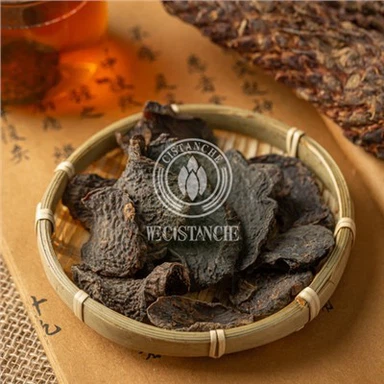
육종용 is a 전통 중국어 약초 약초 사용 세기 to 치료 다양한 건강 조건, 포함 신장 질병. 그것 이다 파생된 에서 건조된 줄기 의 육종용 사막, a 식물 토종 to the the 사막 의 중국 및 몽골. The main active components of cistanche are 페닐에타노이드 배당체, 에키나코사이드, 및 , which have been found to have 유익 효과 on 신장 건강.
신장 질병, 또한 알려진 as 신장 질병, 참조 to a 상태 in which the 신장 are not 기능 제대로. this can result in a 축적 의 폐기물 제품 and to the body, leading to 다양한 증상 및 합병증. 육종 할 수 있음 도움 치료 신장 질병 ase 통해 여러 개 메커니즘.
첫째로, cistanche has been found to have 이뇨제 속성, 의미 it can increase 소변 생산 and help 제거하다 낭비 제품 from the body. this can help relieve the the burden on the the kidneys and prevent the buildup of toxins. By promoting diuresis, cistanche may also help Reduce high blood pressure, a common complication of kidney disease.
더욱이, 시스탄체 있다 있었다 보여줬다 있다 항산화제 효과. 산화 스트레스, 원인 의해 an 불균형 사이 the 생산 의 자유 라디칼 및 the body's 항산화제 방어, plays a key role in the progression of kidney disease. ies help neutralize free radicals and reduce oxidative stress, thereby protecting the kidneys from damage. The phenylethanoid glycosides found in cistanche have been particularly effective in scavenging 자유 라디칼 및 억제 지질 과산화.
Additionally, cistanche has been found to have anti-inflammatory effects. Inflammation is another key factor in the development and progression of kidney disease. Cistanche's anti-inflammatory properties help reduce the production of pro-inflammatory cytokines and inhibit the activation of inflammation mandatory pathways, thus alleviating inflammation in the kidneys.

게다가, cistanche has been show to have immunomodulatory effects. In kidney disease, the immune system can be dysregulated, leading to excessive inflammation and tissue damage. Cistanche helps regulate the immune response by modulating the production and activity of immune cells, such as as T cells and macrophages. This immune regulation helps reduce inflammation and prevent more damage to the kidneys.
더욱이, 육종 있다 있다 발견되었다 개선하다 신장 기능 의해 촉진 재생 의 신장 튜브 포함 세포. 신장 관형 상피 세포 놀이 a 결정적 역할 in the 여과 및 재흡수 의 폐기물 제품 및 전해질. In 신장 질병, 이들 세포 can be damaged, leading to 손상된 신장 기능. Cistanche's 능력 to 촉진 the 재생 의 이들 세포 도움 복원 적절한 신장 기능 및 개선 전체 신장 건강.
In addition to these direct effects on the kidneys, cistanche has been found to have 유익한 효과 on other organs and systems in the body. this holistic approach to health is 특별히 important in kidney disease, as the condition often affects multiple organs and systems. che has been show to have protective effects on the liver, heart, and blood vessels, which are commonly affected by kidney disease. By 증진 the 건강 의 이들 장기, cistanche 도움 개선 전반 신장 기능 및 예방 추가 합병증.
In conclusion, cistanche is a traditional Chinese herbal medicine used for century to treat kidney disease. Its active components have 이뇨, 항산화, 항염증, immunomodulatory, and regenative effects, which help 개선 신장 기능 and protect the 신장 from further damage. , has 유익한 효과 on other organs and systems, making it a holistic approach to treating kidney disease.